Experiential Learning at The Peak School
What Is Experiential Learning?
Experiential learning is learning by doing — and then using those experiences to deepen understanding.
At The Peak School, students don't just learn about ideas in a classroom. They have opportunities to apply their knowledge, solve real problems, make decisions, create, collaborate, and reflect on what they've learned.
Experiential learning connects academics to the real world. It gives students the opportunity to practice skills in meaningful situations and see how what they learn can be used beyond a textbook, assignment, or test.
At Peak, experience isn't separate from learning. It is part of how learning happens.
What Does Experiential Learning Look Like at Peak?
Experiential learning happens throughout a student's experience at Peak — in the classroom, outdoors, in the community, and beyond.
Students might:
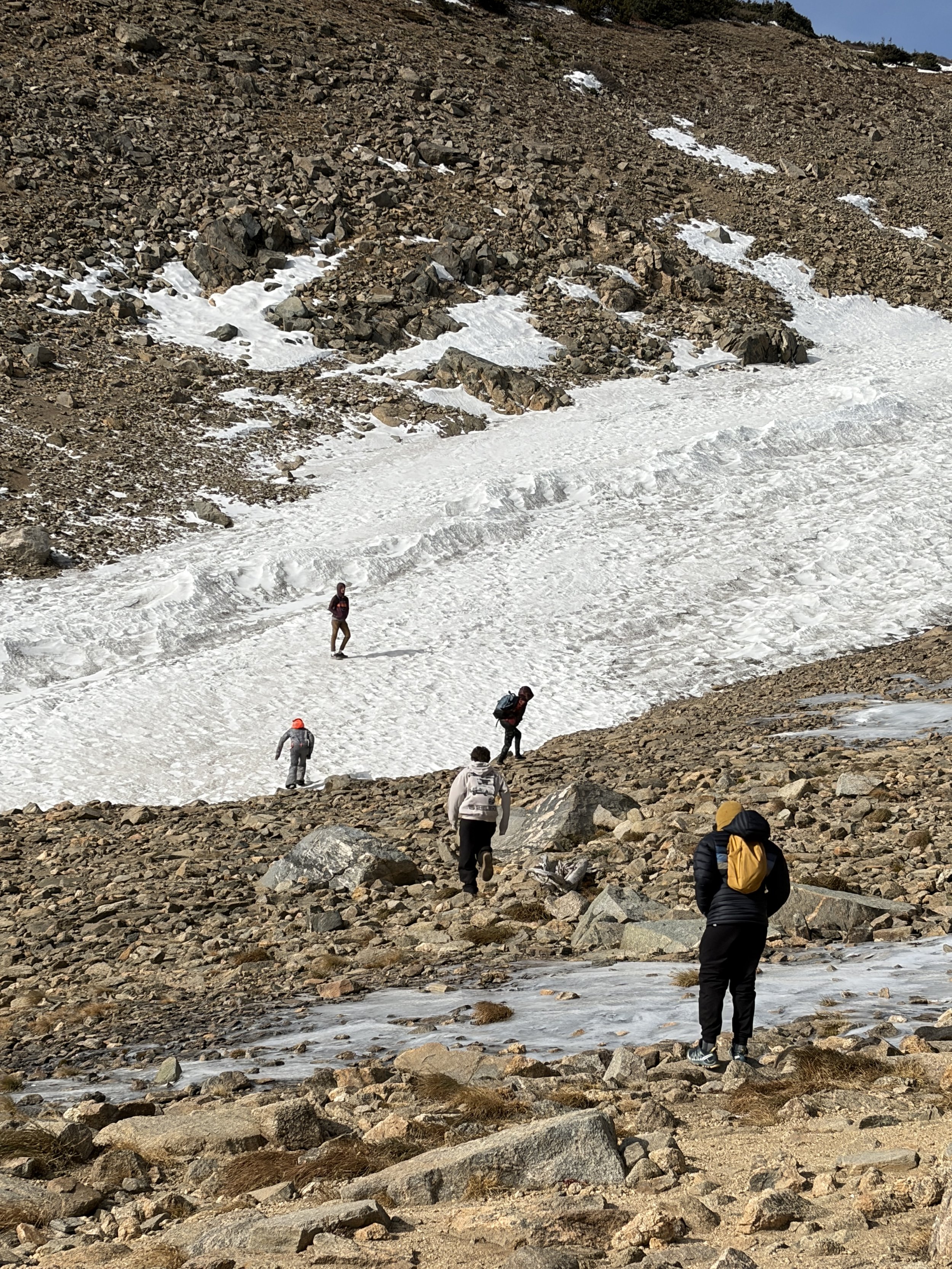
Study geomorphology on a glacier and apply classroom concepts to the landscape around them.
Explore historic mining sites and use the experience to inspire creative writing and poetry.
Work on original projects that require research, problem-solving, creativity, and presentation.
Earn professional certifications and gain experience they can carry into college and future careers.
Participate in outdoor education, where students develop skills in leadership, teamwork, judgment, and resilience.
Complete a senior capstone project and spend time in an internship or other experiential opportunity connected to their work.
These experiences give students something more valuable than simply knowing the answer: they learn how to use what they know.
Is Experiential Learning the Same as Outdoor Education?
Not quite.
Outdoor education is an important part of experiential learning at Peak, but experiential learning extends well beyond the outdoors.
A student can learn experientially while conducting scientific research, developing a business idea, completing an internship, presenting an original project, serving the community, or exploring a new environment.
At Peak, outdoor experiences are intentionally connected to learning. Whether students are navigating a mountain environment or working on a project in the classroom, the goal is the same: to turn knowledge into experience, and experience into deeper understanding.
How Is Experiential Learning Different From Traditional Learning?
Traditional classroom learning often asks students to learn information and demonstrate their understanding through assignments, tests, or other assessments.
Experiential learning asks students to put that knowledge to work.
Students encounter real situations, make choices, work through challenges, and learn from the results. They aren't simply completing an assignment; they're developing the ability to apply what they know.
This approach fits naturally with Peak's mastery-based learning model, where students are expected to demonstrate what they can do — not simply complete what they have been assigned.
Why Does Experiential Learning Matter?
Experience gives students opportunities to develop skills that are difficult to learn from a textbook alone.
Through experiential learning, students have the opportunity to practice:
Critical thinking
Analyzing situations, asking questions, and making informed decisions.
Problem-solving
Working through challenges when there isn't always one obvious answer.
Communication
Explaining ideas, presenting work, collaborating, and listening to others.
Confidence and independence
Taking ownership of decisions and learning from both success and failure.
Adaptability
Responding to unfamiliar situations and adjusting when things don't go as planned.
Reflection
Thinking about what happened, what they learned, and how they can apply that learning next time.
How Does Experiential Learning Prepare Students for Life Beyond Peak?
The world beyond school doesn't come with a worksheet and an answer key.
College, careers, and everyday life require students to take what they know and figure out what to do with it.
At Peak, students have repeated opportunities to practice that process. They research, create, communicate, collaborate, make decisions, solve problems, and reflect on their experiences.
By graduation, students leave with more than academic knowledge. They leave with evidence of what they can do — built through experience.
What Are Some Examples of Experiential Learning at Peak?
Experiential learning can take many forms at The Peak School, including:
Senior Capstone Projects
Internships and real-world experiences
Outdoor Education
Expedition Week
Peak Travels
Community Service
Hands-on science and field studies
Original student projects
Professional certifications
Leadership and student-led experiences
These aren't simply activities added to an academic program. They are opportunities for students to apply, practice, and demonstrate their learning.
Experiential Learning, Defined
Experiential learning is an approach to education in which students learn through meaningful experiences, apply knowledge and skills in authentic situations, and reflect on what they learn.
At The Peak School, that means learning doesn't stop when the classroom ends.
Students learn by doing. They grow through experience. And they leave Peak knowing not only what they know — but what they can do.
The Research Behind Experiential Learning
Experiential learning is a well-established approach to education that emphasizes meaningful experience, active participation, application of knowledge, and reflection. Research has found that experiential learning can support stronger learning outcomes when compared with more traditional instructional approaches.
At The Peak School, we put these principles into practice through real-world projects, outdoor education, internships, field studies, and other experiences that ask students to apply what they know, engage with authentic challenges, and reflect on what they learn.
Learn More